When DIY Wildlife Removal Becomes Risky and Professional Help Is Needed
When DIY wildlife removal becomes risky and professional help is needed, local contractors can safely and effectively handle humane animal exclusion and removal.
Many property owners in the area find themselves facing wildlife intrusions that seem manageable at first but quickly become more complicated than expected. Attempting DIY wildlife removal might seem like a straightforward solution, but it can carry significant risks, especially when animals are nesting or have established access points. Understanding when wildlife issues go beyond simple fixes is essential for maintaining safety and protecting the property. Local service providers specialize in assessing these situations accurately and implementing effective removal strategies, ensuring the problem is handled safely and efficiently.
For those dealing with persistent or difficult wildlife problems, recognizing the signs that professional help is needed can prevent further damage or health concerns. Wildlife experts have the experience and tools to handle tricky situations, such as animals in hard-to-reach areas or those exhibiting aggressive behavior. By exploring the options available through local contractors, property owners can find trusted assistance that addresses the root cause of the issue while minimizing risks associated with DIY methods. Keep reading to learn more about how professional wildlife removal services can make a difference when the situation becomes too risky to handle alone.
- Attic wildlife removal - when animals have nested in the attic and DIY attempts risk damaging insulation or causing structural harm, local contractors can safely handle the removal and repair process.
- Bat exclusion services - if bats have roosted in building eaves or vents, professional exclusion ensures safe removal without harming the animals or risking health hazards.
- Rodent trapping and removal - when rodent infestations threaten to spread disease or cause property damage, local pros employ humane trapping methods and sealing techniques.
- Squirrel entry repair - if squirrels have chewed through siding or vents, professionals can assess damage and implement secure repairs to prevent re-entry.
- Wildlife damage cleanup - when droppings or nesting materials create health risks, local service providers can safely remove debris and sanitize affected areas.
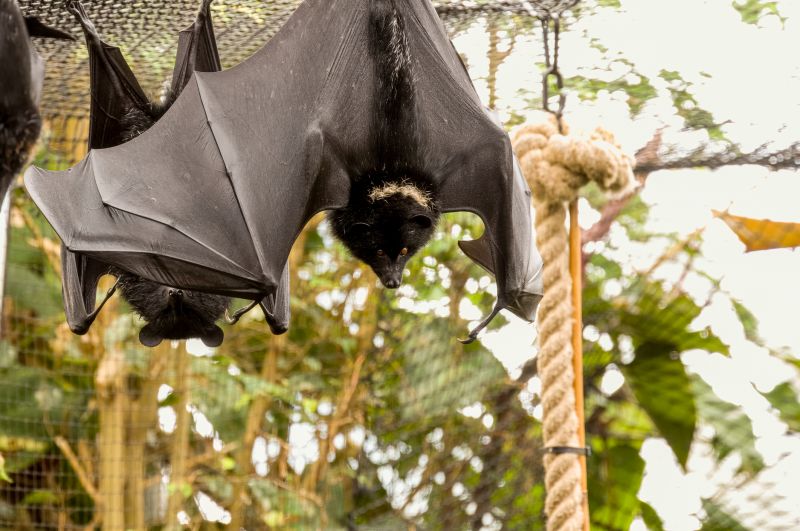
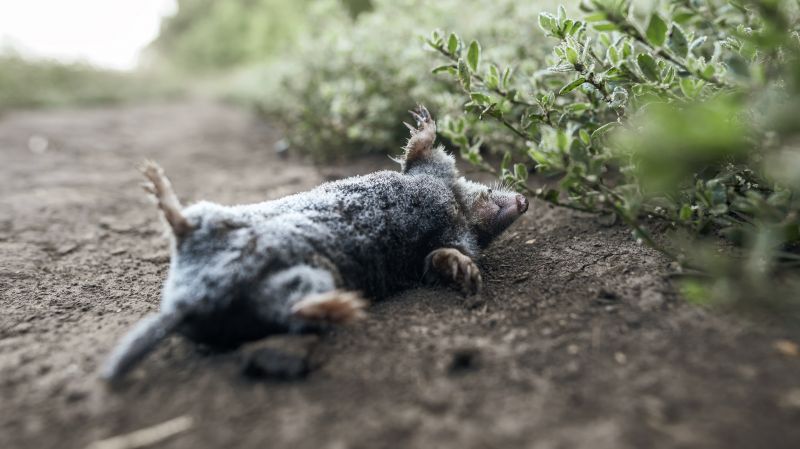
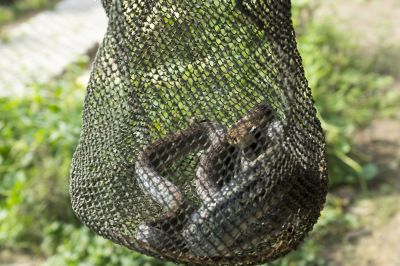
When homeowners search for information about when DIY wildlife removal becomes risky and professional help is needed, they are often trying to determine whether a wildlife problem can be safely handled without expert assistance. Commonly, these searches relate to situations where animals have taken up residence in or around a property, such as raccoons nesting in attics, squirrels in wall cavities, or bats roosting in eaves. The goal is to understand the potential dangers involved in attempting to remove these animals independently, especially when the animals are difficult to access or appear aggressive. Many individuals want to avoid the risks of injury, exposure to zoonotic diseases, or causing further property damage, which can sometimes occur when wildlife removal is not performed correctly.
These topics typically relate to problems involving unwanted wildlife intrusions that threaten the safety, hygiene, and structural integrity of a property. Plans often include trapping or exclusion efforts, sealing entry points, and cleaning up after animals have vacated. Property owners may consider DIY methods such as setting traps or using repellents, but these approaches can be ineffective or unsafe if not executed properly. The types of properties most often involved are residential homes, especially those with attics, basements, or garages, as well as barns, sheds, and other outbuildings. These structures tend to provide easy access points for wildlife seeking shelter, making them common sites for conflicts that may escalate if not handled with care.
Understanding when DIY wildlife removal becomes risky and professional help is needed is crucial for property owners facing more complex or hazardous situations. For instance, animals that are difficult to access or have established long-term nests require specialized techniques to remove safely and humanely. Additionally, animals that are aggressive or visibly ill pose increased dangers, as attempts to remove them without proper tools or knowledge can lead to bites, scratches, or the spread of diseases. In such cases, local service providers offer expertise in safely capturing and removing wildlife, as well as restoring the property to a safe condition. Recognizing these warning signs helps homeowners decide when to seek professional assistance rather than risking injury or further property damage.
Most often, properties that come up in discussions about risky wildlife removal are those with structural vulnerabilities or previous wildlife issues. Older homes with gaps in roofing, soffits, or foundation walls are more susceptible to animal entry, and these entry points may be difficult to seal without proper tools and experience. Additionally, properties located near wooded areas or water sources tend to attract certain species like raccoons, bats, or waterfowl, increasing the likelihood of encounters that require professional intervention. When property owners notice ongoing issues such as persistent animal noises, foul odors, or visible damage, it signals that DIY efforts may no longer be sufficient. In these situations, connecting with experienced local contractors ensures the problem is addressed safely and effectively, reducing the risk of future complications.
Attic insulation installation - this project requires understanding animal entry points and proper sealing techniques, similar to wildlife removal efforts that involve identifying and blocking access points.
Gutter cleaning and maintenance - removing debris to prevent animal nesting shares skills in assessing property vulnerabilities and ensuring unobstructed pathways for wildlife control.
Rodent-proofing homes - sealing cracks and entry points to prevent rodent intrusion parallels wildlife exclusion strategies used in wildlife removal services.
Bird control and deterrent installation - installing bird spikes or netting involves planning and safety precautions akin to handling wildlife in hard-to-reach areas.
Tree trimming and branch removal - managing overhanging branches reduces access points for wildlife and requires careful planning and safety awareness similar to wildlife exclusion work.
Structural repairs and damage restoration - fixing damage caused by wildlife involves assessing property integrity and executing repairs, aligning with skills needed in wildlife removal projects.
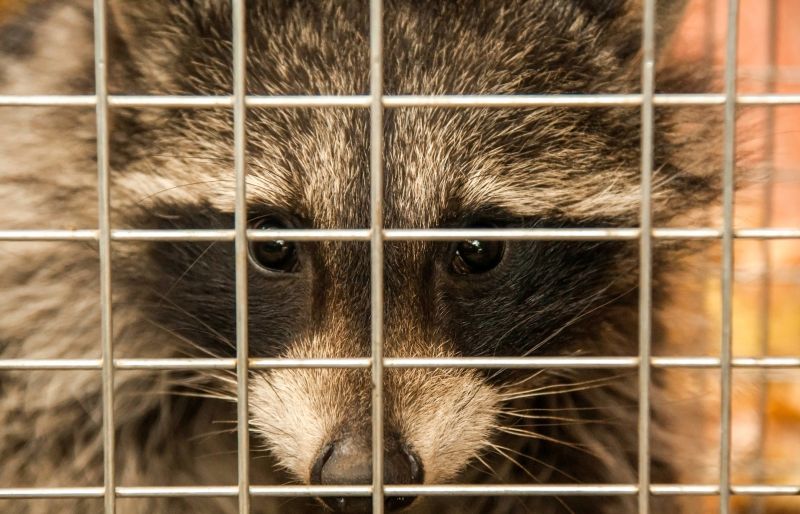
When evaluating wildlife removal services, it is important to consider the experience of the service providers with similar projects. Local contractors who have handled wildlife issues comparable to your situation are more likely to understand the specific challenges involved and employ appropriate methods. This familiarity can help ensure that the removal process is effective and reduces the risk of future problems. Homeowners should inquire about the types of wildlife the pros have managed in the past and seek information on their approach to handling sensitive situations safely and efficiently.
Clear written expectations are essential when choosing wildlife removal services. A reputable service provider will be willing to outline the scope of work, the methods they plan to use, and any necessary follow-up steps in a detailed, written format. This transparency helps prevent misunderstandings and ensures that homeowners are fully aware of what the service will entail. It also provides a record of the agreed-upon process, which can be useful if issues arise later. Homeowners should look for providers who prioritize clear communication and detailed documentation before work begins.
Reputable references and good communication are key indicators of a reliable wildlife removal service. Service providers who can offer references from previous clients demonstrate their track record of successful projects and satisfied customers. Additionally, good communication-such as prompt responses to questions and willingness to explain procedures-can help homeowners feel confident in the process. Since wildlife removal can involve complex or sensitive situations, working with a provider who communicates openly and maintains transparency can make the experience smoother and more predictable, especially when professional help becomes necessary to address risky or challenging wildlife conflicts.
Property owners often search for when DIY wildlife removal becomes risky and professional help is needed when they are planning practical projects around their homes and businesses. Local pros provide Wildlife Removal services for everyday jobs and straightforward project options.
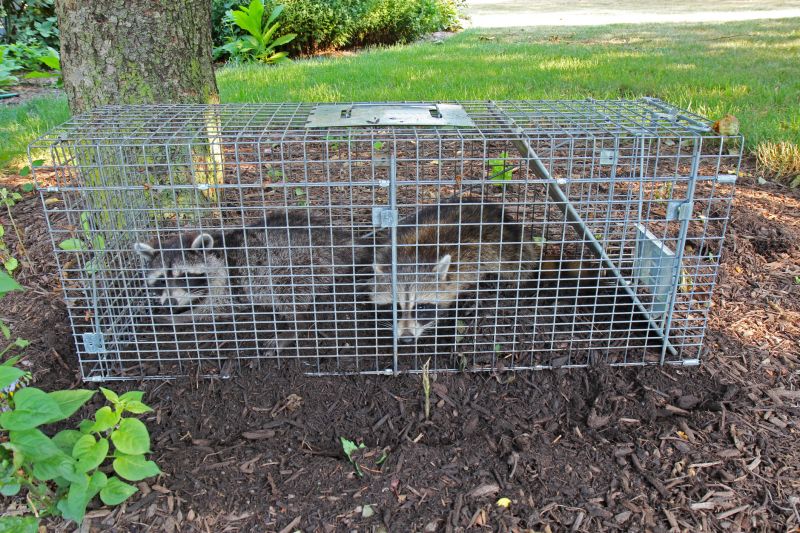
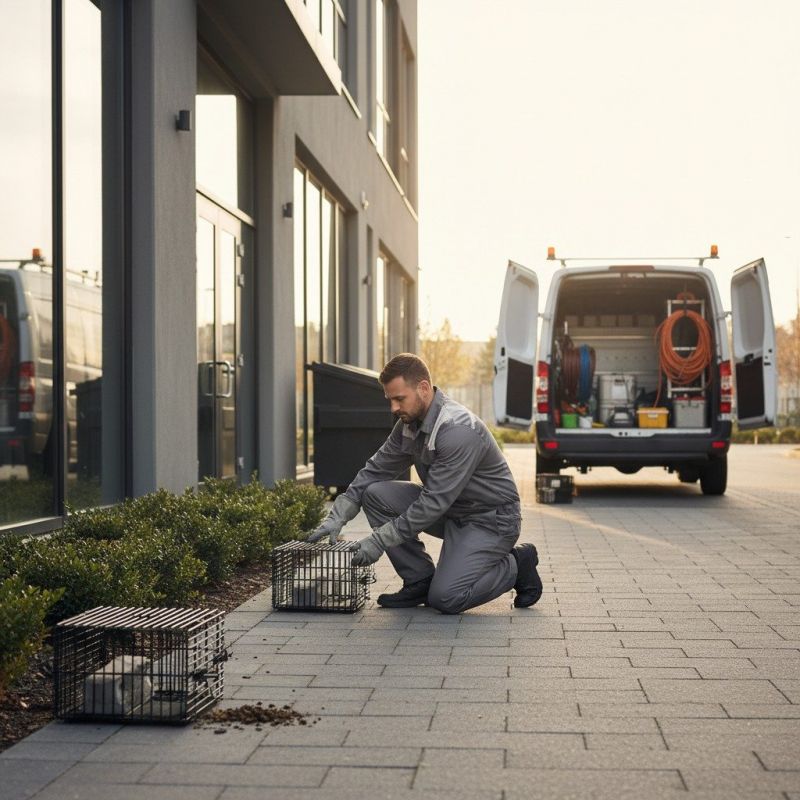
When attempting DIY wildlife removal, property owners often start with simple solutions like trapping or sealing entry points. However, even seemingly straightforward projects can quickly become risky if the wildlife is aggressive, protected, or difficult to access safely. In such cases, local contractors who specialize in wildlife removal have the experience and tools to handle these situations effectively, reducing the risk of injury or property damage. Relying solely on DIY methods might lead to incomplete removal or unintended harm to the animals, making professional assistance a safer and more reliable choice.
Many property owners seek out wildlife removal services when they encounter persistent issues, such as animals nesting in hard-to-reach areas or causing ongoing damage. These scenarios highlight when DIY wildlife removal becomes risky and professional help is needed. Local service providers can assess the situation thoroughly, ensuring that the removal process complies with local regulations and minimizes risks. Engaging experienced wildlife removal professionals can prevent potential health hazards and ensure that animals are handled humanely, making them the preferred option for more complex or challenging wildlife issues.
When should I consider professional wildlife removal instead of attempting DIY methods? If wildlife has entered hard-to-reach areas, caused significant damage, or if there are health risks involved, it is advisable to seek assistance from local service providers who specialize in safe and effective removal.
What risks are associated with DIY wildlife removal? DIY efforts can lead to injury from bites or scratches, spread of diseases, improper removal that allows animals to return, or accidental damage to property, making professional help a safer choice in complex situations.
How can I tell if wildlife removal has become too risky for a DIY approach? Signs include animals nesting in inaccessible locations, multiple animals present, signs of disease, or if attempts to remove animals have failed, indicating that professional services are needed for safe and humane removal.
Are there specific types of wildlife that require professional intervention due to safety concerns? Yes, animals such as raccoons, bats, or snakes often pose higher risks and are best handled by experienced local contractors who understand safe removal and exclusion techniques.
Why is it important to hire local wildlife removal service providers for risky situations? Local pros have the knowledge, tools, and experience to handle complex or dangerous wildlife situations safely and effectively, reducing risks associated with DIY attempts.
Recognizing dangerous species - property owners can learn to identify wildlife that pose health or safety risks and seek professional help when encountering aggressive or protected animals.
Assessing structural damage - inspecting signs of wildlife entry or damage can help determine when DIY efforts might worsen the problem, indicating the need for professional removal.
Handling difficult or large animals - attempting to remove sizable or hard-to-reach wildlife without proper equipment can be risky, making professional services essential for safe removal.
Dealing with persistent or recurring issues - ongoing wildlife intrusions suggest that professional intervention is necessary to effectively resolve the problem and prevent future occurrences.
If you are thinking about when DIY wildlife removal becomes risky and professional help is needed for a property, this guide is meant to help you understand this topic, the typical project types, and how different options might fit your plans.
When you are ready, you can use the quote form on this page to share a few details about your project. From there, local pros can review the basics and follow up with options that match what you have in mind.